How Fotona Laser Treatments Help Reveal Clearer Skin
Clear skin rarely comes down to one issue. In practice, most people who seek treatment are dealing with several concerns at once: lingering acne marks, diffuse redness, uneven texture, enlarged pores, early fine lines, or sun damage that became more obvious over time. That complexity is one reason laser technology continues to hold such a strong place in modern skin treatment. When used thoughtfully, it can address both what is visible on the surface and what is happening deeper in the skin.
Fotona Laser Treatments have gained attention for exactly that reason. Rather than serving one narrow purpose, the platform is often used across a range of skin concerns, with different settings and handpieces tailored to the patient in front of the practitioner. For the right person, it can brighten dull skin, soften textural irregularities, reduce certain types of pigmentation, calm vascular redness, and stimulate collagen remodeling. The result is not a filter-like finish or a dramatic overnight transformation. More often, it is a gradual return to clearer, healthier-looking skin that appears more even and better supported.
That distinction matters. People often arrive at a consultation hoping for a single treatment that erases years of acne, sun exposure, and inflammation in one session. Real skin does not behave that way. It responds in layers, and the best outcomes usually come from matching the treatment depth and energy to the condition being treated.
Why Fotona stands out in skin rejuvenation
Fotona is known for laser systems that can work at both superficial and deeper levels of the skin. Depending on the device configuration and treatment plan, practitioners may use erbium or Nd:YAG wavelengths, each with different characteristics. In practical terms, this gives more flexibility than a one-note resurfacing device.
The erbium side is often chosen when precision and controlled ablation are the priority. It can remove very thin layers of damaged skin, helping improve rough texture, superficial pigmentation, and certain acne scars. The Nd:YAG side tends to reach deeper and is often used when targeting vascular issues, diffuse redness, collagen stimulation, or overall tightening. Some treatment plans combine both approaches in a way that makes clinical sense for the patient’s skin, tolerance, and downtime needs.
What patients usually notice first is not the technical explanation. They notice that a treatment can be adjusted. Someone with oily, congestion-prone skin and post-acne marks needs a different protocol than someone with rosacea-prone redness and delicate texture. That customization is where good results are built.
Clearer skin means more than fewer breakouts
The phrase “clear skin” gets used loosely, but in a treatment setting it can mean several different things. For one patient, clearer skin means fewer active acne lesions and less inflammation. For another, it means fading the brown or red marks left behind after acne has settled. For someone in their forties or fifties, it may refer to smoother texture, smaller-looking pores, and less mottled sun damage.
Fotona Laser Treatments can support clearer skin in a few distinct ways. They may reduce the appearance of superficial blemishes by resurfacing damaged outer layers. They can encourage collagen remodeling, which helps the skin look firmer and more refined over time. They may also improve circulation and reduce certain visible blood vessels or diffuse redness, especially when vascular changes contribute to an overall blotchy complexion.
That broad capability is useful because many persistent complexion concerns overlap. A patient might have old acne scarring on the cheeks, flushing around the nose, and a rough forehead from years of sun exposure. Treating only one of those issues can improve the skin, but treating the pattern as a whole often produces a more coherent result.
How the treatment works beneath the surface
Laser energy interacts with skin in a very specific way. It is absorbed by target structures such as water, pigment, or blood vessels, depending on the wavelength used. Once absorbed, that energy produces controlled thermal effects. Those effects can remove damaged tissue, trigger repair signals, stimulate new collagen formation, or shrink superficial vessels.
When a Fotona treatment is used for resurfacing, the goal is typically to create a controlled injury in the outer layers so the skin sheds damaged cells and replaces them with smoother, healthier tissue. This process can help with surface irregularities, old acne marks, and mild to moderate textural concerns.
When the treatment is geared toward deeper rejuvenation, the goal shifts. Instead of focusing mainly on removal, the laser creates heat in the dermis, where collagen and elastin live. This prompts a wound-healing response that unfolds over weeks and months. Skin may gradually become firmer, pores may appear less obvious, and fine lines can soften. It is subtle biology, not cosmetic camouflage.
One practical point that patients often appreciate is that not every session has to be aggressive. There is room for lighter treatments with minimal downtime and stronger sessions when more dramatic resurfacing is appropriate. That range makes the platform easier to integrate into real life, especially for people who cannot disappear from work or family obligations for two full weeks.
Skin concerns that often respond well
Not every laser is suitable for every issue, and not every issue is best treated with a laser. Still, Fotona Laser Treatments are commonly considered when someone has concerns such as acne scarring, enlarged pores, rough texture, fine lines, sun damage, certain pigmented spots, or redness from visible vessels.
Acne scarring is a good example of where judgment matters. Shallow rolling scars and uneven texture often respond better than deep ice-pick scars, which can require combination approaches. In clinic, it is common to pair laser sessions with other modalities over time, such as subcision, peels, microneedling, or carefully selected topicals. A laser can make a meaningful difference, but the best scar plans are rarely one-dimensional.
Pigmentation is another area where precision matters. Surface sun spots may improve well with resurfacing, while deeper melasma can be unpredictable and may worsen if treated too aggressively. Experienced practitioners tend to be conservative with melasma-prone patients because chasing quick clearance can backfire. That is not a flaw of the technology. It is a reminder that skin biology sets the rules.
Redness and vascular concerns can also improve, particularly when a deeper wavelength is chosen for vascular targeting and collagen support. Patients sometimes describe their skin as looking “less angry” after a series of treatments. That phrase, though informal, captures the visual change nicely. The skin tone appears calmer and more even, even if the person could not name the underlying mechanism.
What a typical treatment experience feels like
The treatment experience varies depending on the protocol. A light rejuvenation session may feel warm, prickly, or like quick snaps against the skin. A more intensive resurfacing treatment is usually preceded by numbing cream and may still feel quite strong, especially in thinner-skinned areas around the mouth or eyes.
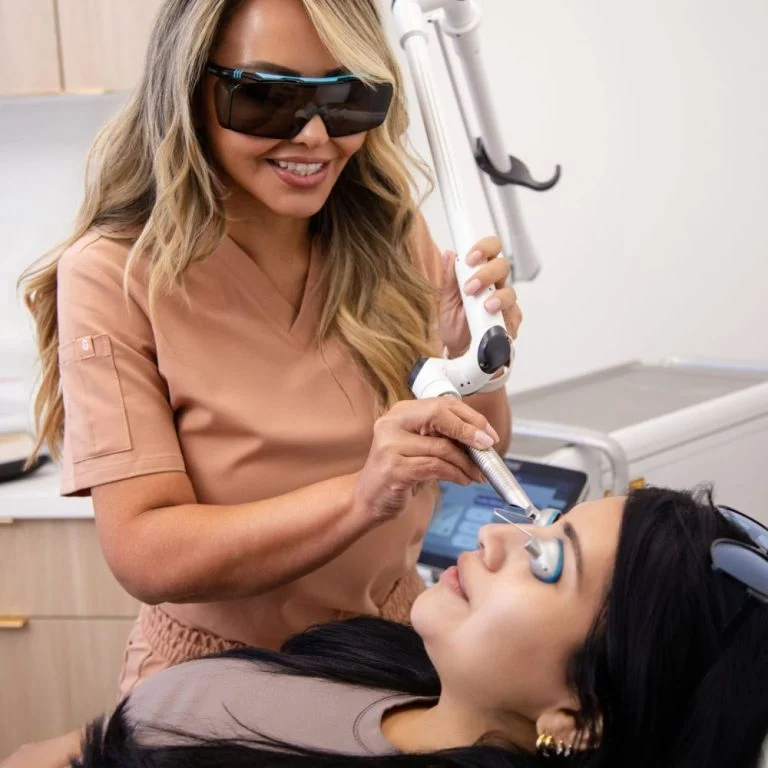
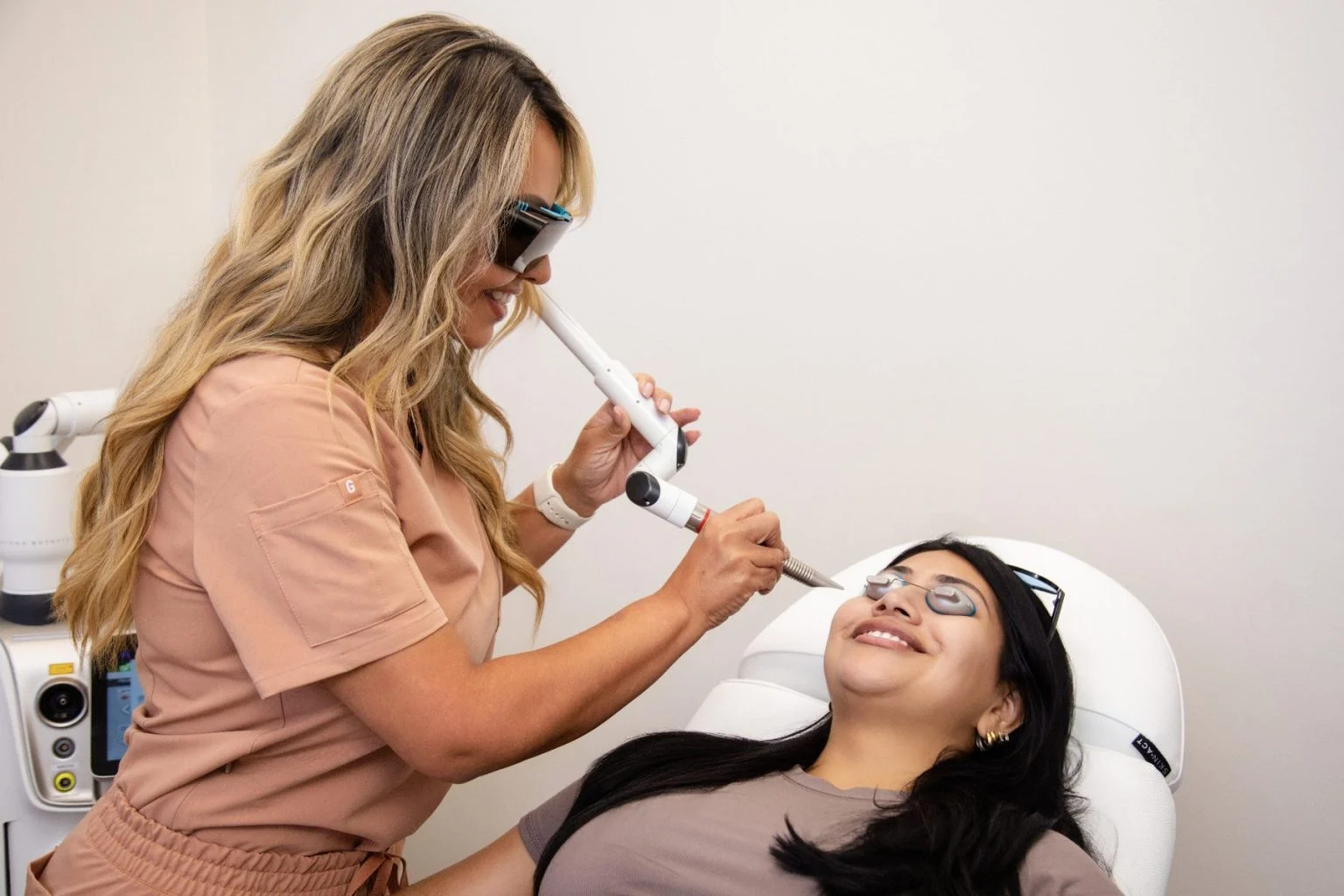
Most appointments begin with a careful skin assessment and photography. Clean skin is essential. If numbing is used, it may sit for 30 to 45 minutes before treatment begins. Eye protection is placed, and the practitioner works methodically across the treatment zones. Some passes are done for broad rejuvenation, while others are concentrated in areas with acne scars, etched lines, or textural roughness.
Immediately afterward, the skin may look pink to red, feel hot, and develop some swelling. A stronger resurfacing session can lead to a sandpapery texture, bronzing, flaking, or several days of obvious peeling. Lighter sessions may leave only mild redness that settles quickly. This range is important to understand before booking, because “laser treatment” covers a wide span of recovery profiles.
A patient once described her first moderate resurfacing session as similar to a bad sunburn for the rest of the day, followed by three days where her skin looked rough and dry, then a sudden turn where it seemed fresher and more uniform. That sequence is familiar. Early healing can look messy. Better skin often emerges after the shedding phase, not during it.
The role of collagen in a clearer complexion
People often associate collagen with anti-aging, but it matters just as much for clarity and texture. Healthy collagen architecture helps the skin look smoother, more resilient, and less cratered by old acne damage. When collagen breaks down or becomes disorganized, pores seem more apparent, shallow scars catch the light, and the surface can look tired even when the person is otherwise healthy.
One of the strengths of Fotona Laser Treatments is the ability to stimulate collagen remodeling without relying only on aggressive top-layer removal. That matters for patients who need visible improvement but cannot tolerate the downtime or risk profile of very deep ablation. Controlled dermal heating can gradually strengthen the support structure under the skin, which improves the look of the surface from below.
This is also why the best results tend to develop progressively. Patients sometimes expect a single dramatic endpoint, but collagen renewal takes time. Improvements often unfold over six to twelve weeks after a session, and sometimes longer. In a series, each treatment builds on the response to the last.
Downtime, aftercare, and the reality of healing
Downtime is one of the most misunderstood parts of laser treatment. Some clinics use the term loosely, which can leave patients underprepared. It helps to think of recovery in categories rather than a single promise.
A lighter session may involve redness for a day or two and a little dryness. A more intensive resurfacing treatment can mean several days of visible healing, followed by persistent pinkness that lasts longer, especially in fair or sensitive skin. Makeup may not sit well during the peeling phase. Sun exposure is a serious concern, because fresh skin is more vulnerable to pigment complications.
Aftercare is not glamorous, but it often determines whether a good treatment becomes a good result. Gentle cleansing, barrier-supportive moisturizers, sun protection, and avoiding irritating actives are the basics. Picking at flaky skin, returning to exfoliating acids too early, or exercising heavily on the same day can all increase irritation.
Here are the aftercare habits that tend to matter most:
- Keep the skin clean, lightly moisturized, and protected from heat in the first 24 to 48 hours.
- Use broad-spectrum sunscreen diligently once the skin can tolerate it, and avoid direct sun as much as possible.
- Pause retinoids, exfoliating acids, and harsh acne products until the practitioner says the barrier has recovered.
- Let peeling skin detach naturally rather than rubbing or picking at it.
- Report unexpected swelling, crusting, or prolonged irritation early instead of waiting it out.
Patients who follow aftercare carefully usually heal more predictably. That is not a minor point. Laser outcomes are shaped by what happens after the appointment as much as during it.
Who tends to be a strong candidate
A strong candidate is not simply someone who wants better skin. It is someone whose goals, skin type, medical history, and tolerance for downtime line up with what the treatment can realistically deliver.
Patients with mild to moderate textural irregularities, superficial scars, enlarged pores, and sun-related roughness often do well. Those seeking gradual improvement rather than instant perfection usually feel more satisfied. People who understand that a course of treatment may be needed also tend to have a better overall experience.
Caution is especially important for darker skin tones, active inflammatory skin conditions, melasma-prone skin, those with a recent tan, and anyone using medications or topical regimens that affect healing. None of these automatically rule treatment out, but they do raise the bar for planning and practitioner experience. Post-inflammatory hyperpigmentation is a real risk in the wrong context.
Cold sore history is another detail that matters if the treatment involves the mouth area. Preventive antiviral medication may be appropriate. Patients with active acne may also need their breakouts controlled first, because resurfacing inflamed skin can complicate healing and does not address the underlying drivers of acne.
Where expectations need to stay grounded
Laser marketing often flattens nuance. Skin concerns are described as though they all respond in the same clean, linear way. In practice, some concerns shift beautifully after a few sessions, while others improve only modestly.
Acne scars rarely vanish completely. Fine lines soften, but deep etched folds remain. Pigmentation can lighten, yet recur with sun exposure or hormonal triggers. Redness may calm significantly, though highly reactive skin can still flush under heat, alcohol, or stress.
These are not disappointing truths. They are useful truths. Patients who understand them usually make better decisions and feel more in control of the process. A treatment does not need to be absolute to be worthwhile. Sometimes the meaningful win is moving from skin that constantly needs heavy coverage to skin that looks comfortable bare-faced in daylight.
That is a standard many people care about more than perfection.
Comparing lighter and more intensive approaches
Within the same laser family, treatment intensity can vary widely. That flexibility is helpful, but it can also confuse patients who assume every session will produce the same experience and the same result.
| Treatment style | Typical goal | Downtime profile | Best suited for | |---|---|---|---| | Light rejuvenation | Brightness, mild texture refinement, collagen support | Minimal to mild redness, often short-lived | Busy patients, maintenance, early signs of damage | | Moderate resurfacing | Visible texture improvement, pores, superficial scars, pigment | Several days of redness, dryness, and peeling | Patients seeking more noticeable change | | Intensive resurfacing | Stronger correction of texture, deeper lines, selected scars | More significant healing time and stricter aftercare | Carefully chosen patients with tolerance for downtime |
This is where a thoughtful consultation earns its value. The “best” setting is not the strongest one. It is the one that balances the problem being treated, the person’s skin biology, the season, their schedule, and their appetite for recovery. Someone preparing for a wedding in three weeks needs a different plan than someone willing to spend a quiet winter month focusing on repair.
Why practitioner skill matters as much as the device
Patients understandably focus on the brand name of a laser, but outcomes depend heavily on the operator. The same machine can produce elegant results in one clinic and frustrating complications in another. Settings matter. Sequencing matters. Prepping the skin matters. Knowing when not to treat matters just as much.
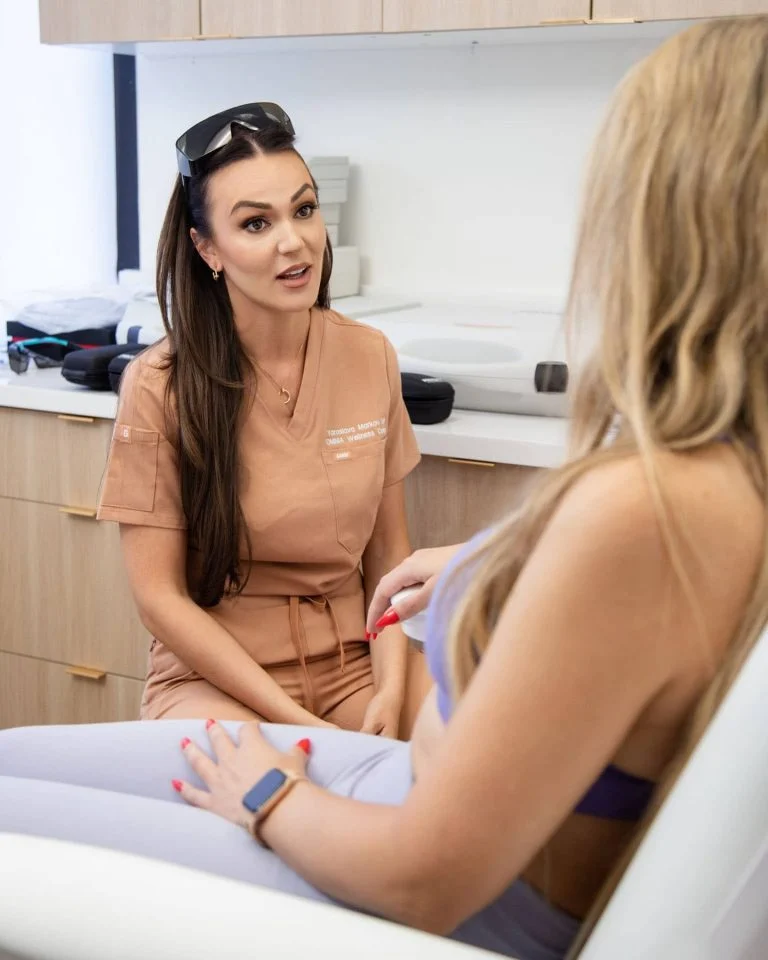
An experienced practitioner can usually tell when a patient’s concern is a good laser target and when it is not. They know that some redness is vascular, some is barrier-related, and some is inflammation that needs calming before heat enters the picture. They recognize acne scars that need release before resurfacing. They spot melasma patterns that call for restraint. They ask about photosensitizing medications, recent isotretinoin use, cold sores, tanning habits, and lifestyle realities that could affect healing.
This is often the difference between chasing procedures and building a plan. Good skin work is rarely impulsive.
Combining Fotona with a broader skin strategy
Laser treatment works best when it is part of an overall approach rather than a stand-alone fix. If ongoing breakouts, poor barrier health, chronic sun exposure, or inconsistent skincare continue unchanged, results tend to plateau quickly.
https://maps.app.goo.gl/qXD4j3287tCBo42W7That does not mean every patient needs a cabinet full of products. Usually, a simple routine is enough: a gentle cleanser, a reliable moisturizer, sunscreen, and a few targeted actives introduced at the right time. For acne-prone skin, that may include prescription therapy. For pigmentation, it may involve pigment-regulating topicals and strict UV avoidance. For redness, barrier repair and trigger management may be as important as the laser itself.
This integrated approach often delivers the most satisfying kind of improvement, the sort people notice without being able to identify a single reason. The skin reflects light better. Tone looks steadier. Makeup sits more evenly. Blemishes leave less of a mark behind. The face appears rested rather than treated.
The kind of results people tend to notice first
When Fotona Laser Treatments work well, the earliest compliments are often indirect. Friends ask if the person changed foundation, slept more, or went away for a break. That happens because the improvement is usually not one dramatic alteration. It is a collection of small, visible upgrades: smoother skin under the fingers, reduced blotchiness, softer old acne marks, finer-looking pores, and a healthier surface sheen.
For some patients, the most meaningful change is confidence. They stop arranging their day around strategic lighting. They use less concealer. They do not dread seeing photos of themselves taken outdoors. Those shifts are easy to dismiss in a technical discussion, but they are often why treatment felt worth pursuing in the first place.
Clearer skin is not a fantasy result reserved for perfect candidates with perfect habits. It is often the product of sensible expectations, careful treatment selection, and enough patience to let the skin rebuild itself properly. When those pieces come together, Fotona can be a very effective tool, not because it promises flawless skin, but because it helps the skin look calmer, smoother, and more even in a way that feels believable.
OMNIA Wellness Center
Address: 16430 Ventura Blvd Ste 207, Encino, CA 91436
Phone number: +18183868511
FAQ About Fotona Laser Treatments
What is a Fotona laser good for?
A Fotona Laser system is a versatile, dual-wavelength medical laser used primarily for non-surgical skin tightening, anti-aging rejuvenation, and dermatological treatments.
How much does the Fotona laser cost?
The cost of a Fotona laser depends heavily on whether you are looking to purchase a laser machine for a medical practice or are a patient seeking a laser treatment at a medspa.
Is a Fotona laser worth it?
A Fotona laser treatment is generally worth it if you want non-surgical skin tightening, improved texture, and collagen stimulation with very little downtime.